does the keto diet work for epilepsy All the reasons you should and shouldn't try the keto diet, according
In recent years, the ketogenic diet has gained much recognition for its ability to help fight cancer. The diet is characterized by high fat, moderate protein, and low carbohydrate intake, which puts the body in a state of ketosis. In this state, the body uses ketones, which are produced by the liver from the breakdown of fat, as an alternative energy source to glucose. This shift in metabolism has been shown to have therapeutic benefits in cancer treatment. One of the most significant benefits of the ketogenic diet is its ability to reduce inflammation in the body. Chronic inflammation has been linked to the development of cancer, so reducing inflammation is a critical component of cancer treatment. The ketogenic diet has also been found to promote autophagy, the process by which the body removes damaged cells and toxins, which can help prevent the development of cancer. Another way in which the ketogenic diet can help fight cancer is by reducing insulin levels. Insulin is a hormone that is released in response to high glucose levels in the blood. Studies have shown that high insulin levels can promote the growth and proliferation of cancer cells, so reducing insulin levels can help slow down the growth of cancer cells. In addition to these benefits, the ketogenic diet has also been found to enhance the effectiveness of chemotherapy and radiation therapy. This is because cancer cells thrive on glucose, so reducing glucose levels through the ketogenic diet can make cancer cells more vulnerable to these treatments. It is important to note that the ketogenic diet should not be used as a substitute for conventional cancer treatment. Rather, it should be used in conjunction with conventional treatment to enhance its effectiveness. It is also important to consult with a healthcare professional before starting the ketogenic diet, especially if you are undergoing cancer treatment. As with any diet, the ketogenic diet requires careful planning and monitoring to ensure that you are getting all the necessary nutrients. It is important to consume a variety of healthy fats, such as avocado, olive oil, and nuts, as well as nutrient-rich vegetables and protein sources, such as fish and poultry. Supplementation may also be necessary to ensure that you are getting all the necessary vitamins and minerals. In conclusion, the ketogenic diet has shown promise in helping to fight cancer by reducing inflammation, promoting autophagy, and reducing insulin levels. When used in conjunction with conventional cancer treatment, it can enhance its effectiveness and help improve overall outcomes. As with any diet, careful planning and monitoring are necessary to ensure proper nutrition and safety.
If you are searching about Pin on Keto Diet For Beginners you’ve came to the right page. We have 5 Pics about Pin on Keto Diet For Beginners like Pin på weight loss, All the reasons you should and shouldn’t try the keto diet, according and also Pin på weight loss. Here it is:
Pin On Keto Diet For Beginners
 www.pinterest.comketo
Does Keto Diet Work For Diabetes? - Advancells Diabetes
 www.advancells.comdiabetes ketogenic mice suggests advancells intake
All The Reasons You Should And Shouldn’t Try The Keto Diet, According
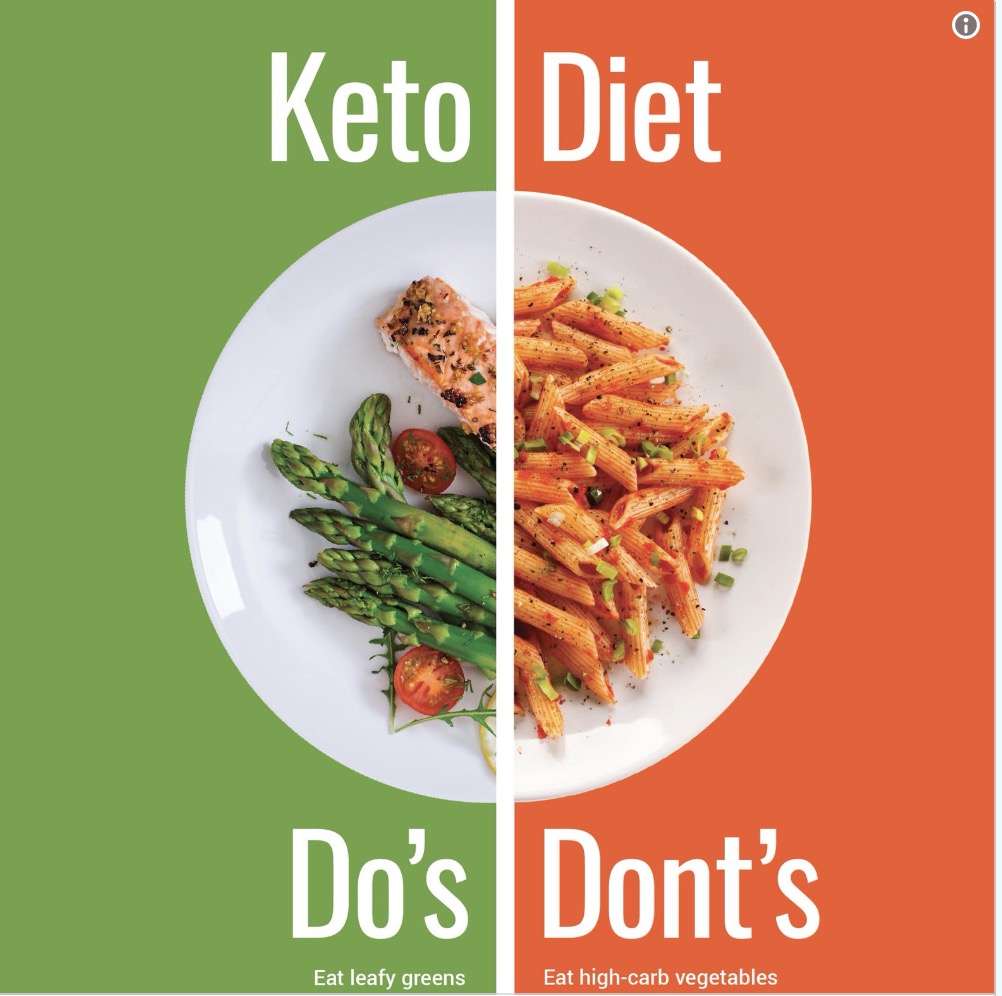 cliniquecme.comketo diet does work should experts reasons according try shouldn medium pros cons
Can The Ketogenic Diet Help Fight Cancer?
 thetruthaboutcancer.comketo diet works cancer does work their defective metabolism mitochondrial atp try via make
Pin På Weight Loss
 nl.pinterest.comAll the reasons you should and shouldn’t try the keto diet, according. Keto diet does work should experts reasons according try shouldn medium pros cons. Keto diet works cancer does work their defective metabolism mitochondrial atp try via make