does chlamydia increase white blood cell count How to increase your white blood cell count
As we continue to learn about the world of science, we are discovering more about how different bacterium and other microorganisms affect our bodies. Today, we want to dive deeper into the topic of Chlamydia, a common sexually transmitted infection that can lead to serious long-term health problems if left untreated. First, let’s take a look at a fascinating study that used FACS-based CRISPR screening to better understand how the Chlamydia bacterium invades its host. The study found that by targeting specific genes in the bacterium, researchers were able to effectively block its ability to enter host cells. This breakthrough could pave the way for new therapies that target Chlamydia infections more effectively. Now, let’s talk about the Chlamydia bacterium itself. This tiny, gram-negative organism can be identified under the microscope by its characteristic “coccoid” shape and its tendency to cause inflammation and infection in the genital tract. Chlamydia is highly contagious and can spread easily through sexual activity with an infected person. Despite its prevalence, however, many people are still unaware of the risks of Chlamydia infection. Left untreated, this disease can cause serious health problems, including pelvic inflammatory disease, infertility, and even ectopic pregnancy. That’s why it’s so important to get regular check-ups and talk to your healthcare provider about how to protect yourself from sexually transmitted infections. If you are diagnosed with Chlamydia, there is good news: the infection can be easily treated with antibiotics. However, it’s important to finish the full course of medication, even if your symptoms improve quickly, in order to prevent the infection from returning. In conclusion, understanding the Chlamydia bacterium and its effects on the body is crucial for maintaining good sexual health. By staying informed and taking proactive steps to protect yourself and your partners, you can help prevent the spread of STIs and ensure that you stay healthy and happy for years to come. Don’t hesitate to talk to a healthcare professional if you have any questions or concerns about your sexual health!
Chlamydia Bacteria - Classification, Characteristics and Microscopy
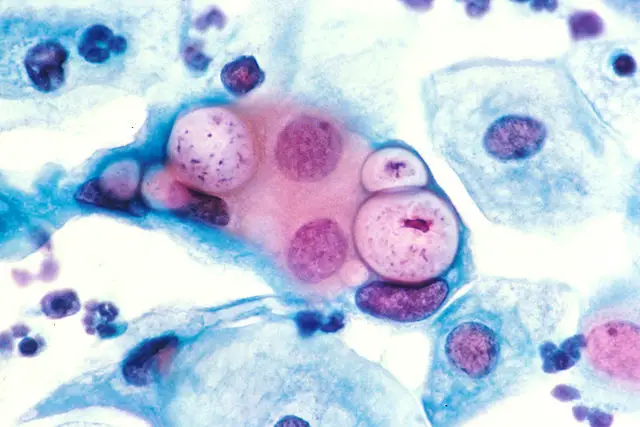 Under the microscope, the Chlamydia bacterium is characterized by its “coccoid” shape, meaning it appears round or oval. It is also classified as a gram-negative organism, meaning that it has a thin layer of peptidoglycan in its cell wall. Symptoms of Chlamydia infection typically include pain or discharge in the genital area, but many people may not experience any symptoms at all.
FACS-based CRISPR screening shows how Chlamydia bacterium invades host
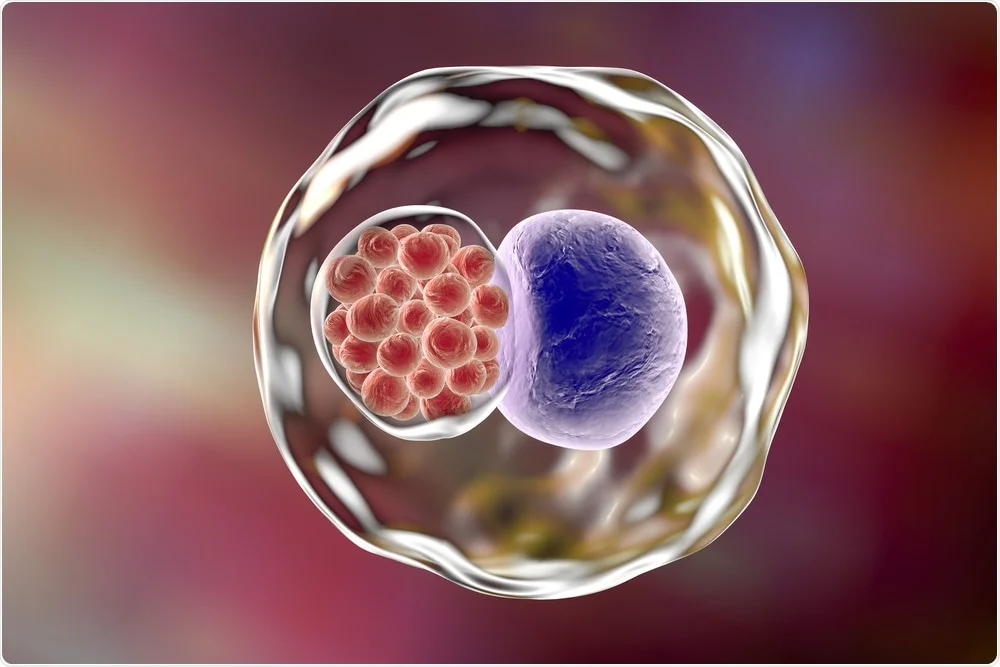 Researchers used FACS-based CRISPR screening to identify key genes in the Chlamydia bacterium that are essential for its ability to enter host cells. By targeting these genes, researchers were able to effectively block the bacterium’s invasion and replication. This breakthrough could lead to new therapies for Chlamydia infections that are more effective and less prone to resistance.
If you are searching about Oral Chlamydia: Symptoms, Causes, Diagnosis, Treatment - Health Guide you’ve came to the right page. We have 5 Pictures about Oral Chlamydia: Symptoms, Causes, Diagnosis, Treatment - Health Guide like How to Increase Your White Blood Cell Count | Top 10 Home Remedies, Oral Chlamydia: Symptoms, Causes, Diagnosis, Treatment - Health Guide and also FACS-based CRISPR screening shows how Chlamydia bacterium invades host. Here it is:
Oral Chlamydia: Symptoms, Causes, Diagnosis, Treatment - Health Guide
 ro.cochlamydia
FACS-based CRISPR Screening Shows How Chlamydia Bacterium Invades Host
www.news-medical.netchlamydia cells host bacterium trachomatis screening invades crispr facs based shows kon kateryna shutterstock
How To Increase Your White Blood Cell Count | Top 10 Home Remedies
 www.top10homeremedies.comblood count cell increase body cells ways help remedies low red herbs top10homeremedies wbcs natural disease d5 immune
Chlamydia | Posts By Alexander Johnson | Bloglovin’

Chlamydia Bacteria - Classification, Characteristics And Microscopy
www.microscopemaster.comchlamydia bacteria clamydia 500x microscopy classification characteristics stained vacuoles liotta lance smear laboratory pap showing human dr source domain public
Facs-based crispr screening shows how chlamydia bacterium invades host. Chlamydia cells host bacterium trachomatis screening invades crispr facs based shows kon kateryna shutterstock. Chlamydia bacteria